


Uncategorized
-
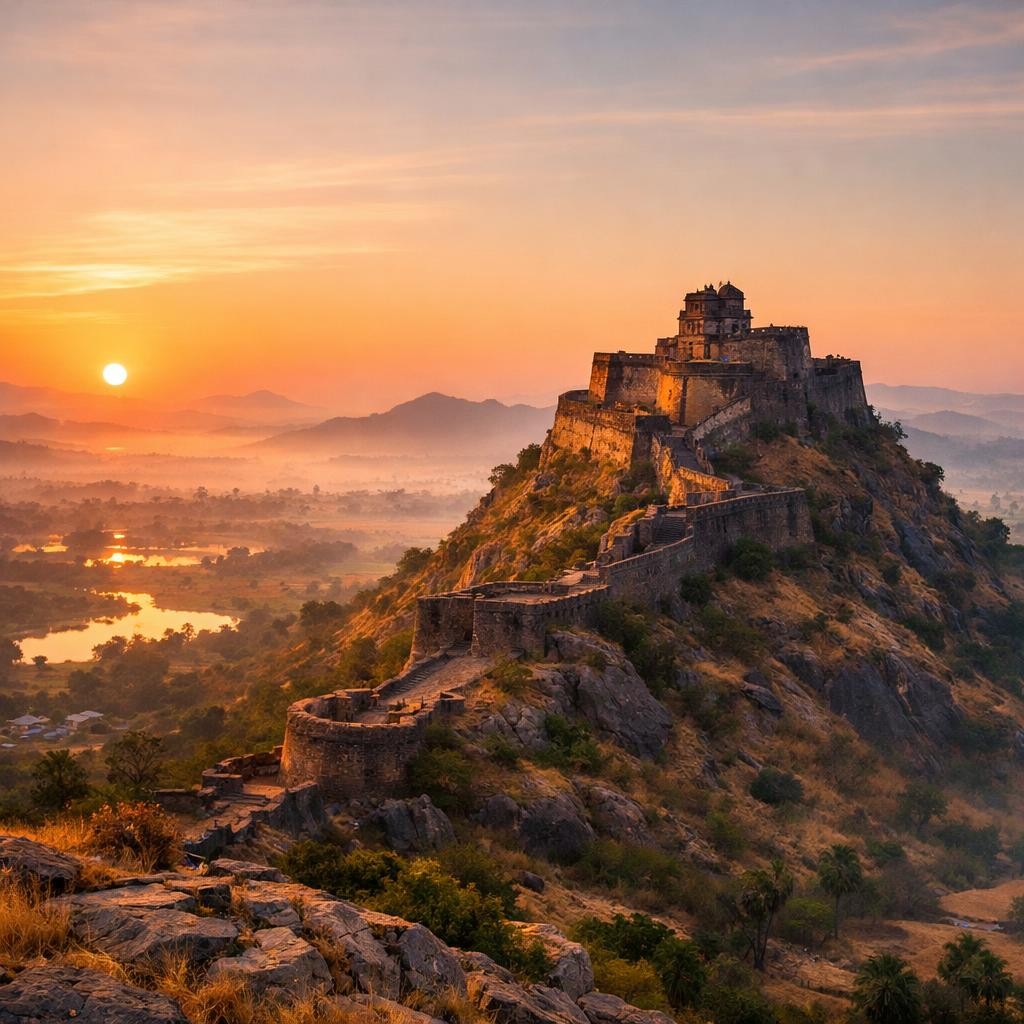
The fall of the Kampili Kingdom was not merely the end of a small kingdom, but a moment of defiance etched in fire. From the siege of Anegondi to the tragic Jauhar, this story reveals how destruction gave rise to the Vijayanagara Empire.
-

Prologue: Two Dawns History rarely offers such neat symmetry, yet in the mid-twentieth century, two nations stood at the threshold of rebirth after profound upheaval. In 1945, Japan lay in ruins—its cities reduced to ash after the devastation of war. Just two years later, in 1947, India gained independence, its soul unshackled from colonial rule…
-

Where and When Nestled in the heart of the Deccan Plateau, the Vijayanagara Empire stands as a testament to the resilience and cultural vibrancy of medieval South India. Spanning from 1336 to 1646 CE, this Hindu kingdom rose from the ashes of invasions to become a powerhouse of art, architecture, and administration. Everyone has read…
-
The original sonnet form was invented in the 13th century by a 13th century poet by the name of Giacomo da Lentini and took the name of an Italian philosopher named Francisco Petrarch. The sonnet, from the Italian sonetto meaning “little song,” is one of the better-known forms of poetry. Made famous by Italian poets,…
-
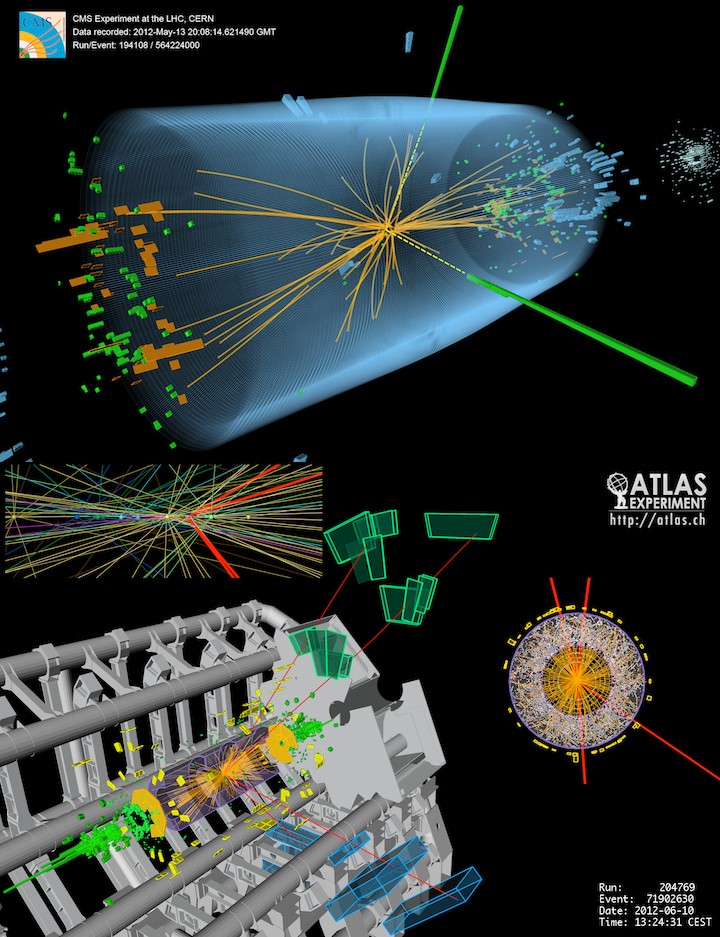
The Vedas and the God Particle Where do we come from and where are we headed? Is there a God or a something super human, which is controlling our destiny? How did it all begin and how is it going to end? These are some of the questions that has plagued man ever since he…
-
Originally posted on Madhuri Varma: Author: Shankar Kashyap Pages: 313 Publisher: Indus Publishing Group Ratings- Cover : 4.5/5 Title : 4.5/5 Blurb : 3/5 Theme : 4/5 Story : 4/5 Characters : 4/5 Value for money : 4/5 Overall : 4/5 Blurb: This is the story based on the main event within the seventh book of…
-
Author: Shankar Kashyap Pages: 313 Publisher: Indus Publishing Group Ratings- Cover : 4.5/5 Title : 4.5/5 Blurb : 3/5 Theme : 4/5 Story : 4/5 Characters : 4/5 Value for money : 4/5 Overall : 4/5 Bl… Source: Book Review: Dasharajna – The Battle of Ten Kings (Harappa Book 3)
-
The WordPress.com stats helper monkeys prepared a 2014 annual report for this blog. Here’s an excerpt: A San Francisco cable car holds 60 people. This blog was viewed about 1,900 times in 2014. If it were a cable car, it would take about 32 trips to carry that many people. Click here to see the…
-
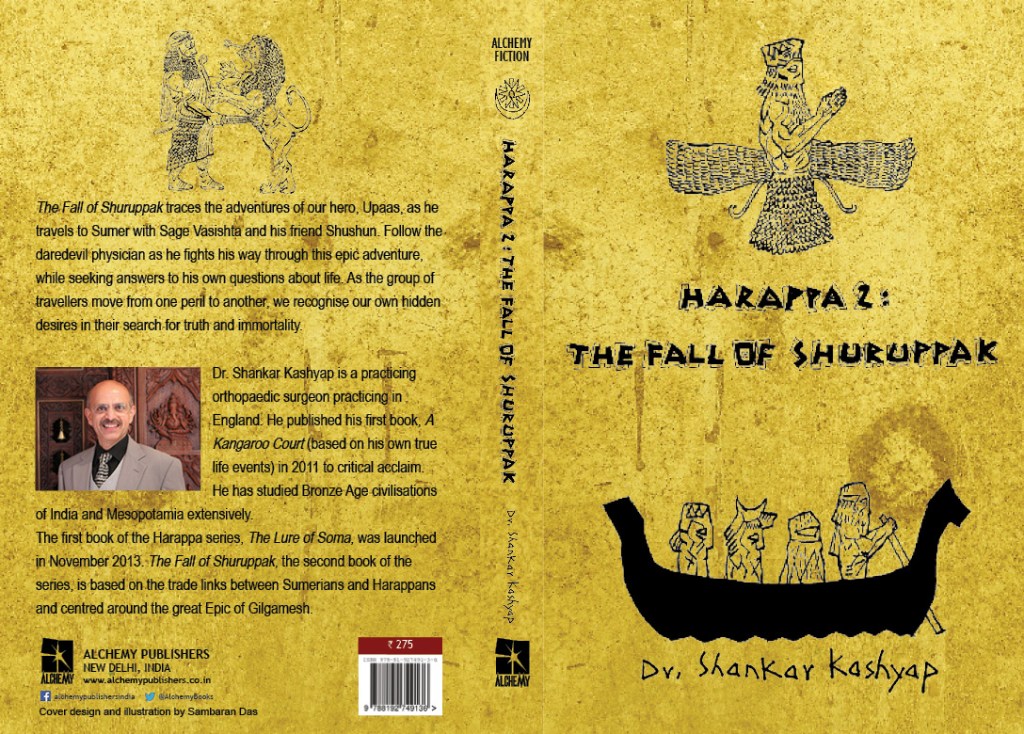
Originally posted on Harappa : The Series: The city of Shuruppak lies on the banks of one of the tributaries of Euphrates 35 miles south of the city of Nippur at the site of Tell Fara. This was probably found by Shuruppak around 3000 BCE. The city features in the Epic of Gilgamesh and come…

 shankar kashyap