A narrative poem tells the story of an event, a place, city or a kingdom or a hero/heroine, in the form of a poem. There is a strong sense of narration, characters, and always plot. This is pure story telling in poetic format. The content is often dramatic, and the words played on the emotions of the listener. There are many forms of Narrative poetry – epics, ballads, lays and idylls. Minstrels often changed words during a performance depending on the response of the audience – particularly Idylls and Lays.
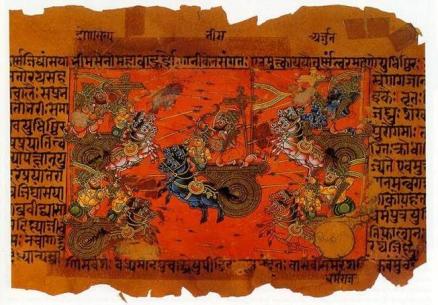
Oral tradition of narrative poetry goes back thousands of years to the Vedic chants of Rigveda and Homeric ballads. Most of these were composed using a definitive metric structure. They were composed in poetic form rather than prose as it was easier to remember verses than long texts with oral tradition. Writing did not come into use much later. There are examples in almost all cultures and languages across the world. Most of the classic epics were composed using Narrative form of Poetry. 
We will deal with each of these in turn using sub-chapters. Among the ancient cultures across the globe from the Andes in South America to Greece, Mesopotamia and Egypt to India and China, peoples have used this form of metric poetry to sing the history of their nations and the exploits of their heroes. Emperors and Kings employed bards in their courts to compose epics and record the history. Historians have used these epics/poems to record history. Emperors such as Alexander the Great and Babur took bards with them to battles to record their exploits.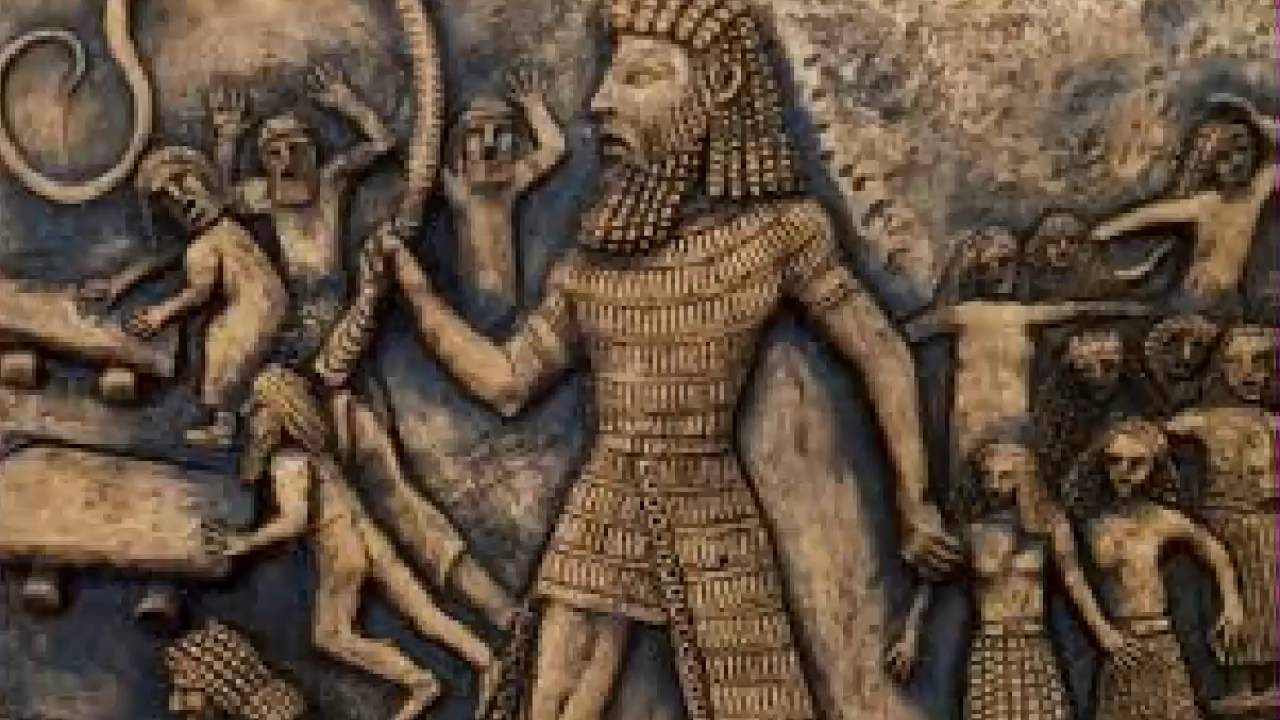
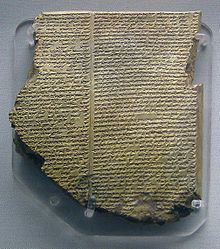
The oldest known poem in English is a narrative one – Beowulf. Alfred Tennyson’s Idylls of the King, Charge of the Light Brigade and Robert Browning’s Ring and the Book are prime examples of medieval history in poetic form. Chaucer’s Canterbury tales is another example of a narrative poetry. Other famous narrative poetry are Divine Comedy by Dante, Epic of Gilgamesh, Iliad and Odyssey by Homer, Don Juan by Lord Byron to name a few. 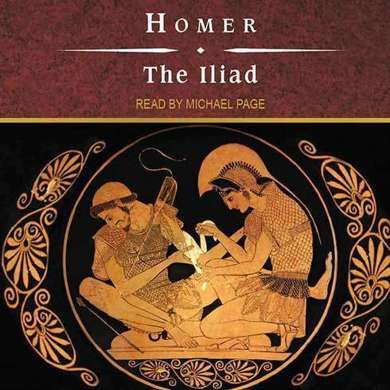
We will deal with an Epic this week;
Epic;
An Epic is a lengthy narrative poem often in a grandiose language celebrating the adventures and accomplishments of a legendary hero in a historical setting. Epics are probably the earliest forms of poetry dating back thousands of years. The Vedas, particularly the Rigveda has been dated back to third or fourth millennium BCE, constructed by many sages and bards. Rigveda is considered to be the oldest scripture with over 1028 hymns and 10600 verses in one of the recensions. This epic scripture is constructed using a strict structure of iambic metres – Gayathri, Anushtubh, Trishtubh and Jagati. I will not go into details of the construction of these metres. Many of the hymns are considered more of a eulogy – praising one or the other of the Gods or a king or even a sage.
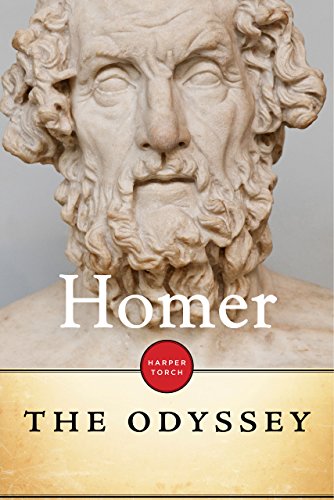 Much like a ballad, an epic is a narrative poem that spins a tale— and a lengthy one — of a hero’s great valour and adventure. Like the elegy, the word epic is derived from ancient Greece, where epikós meant “speech,” “tale,” or “song,” and applied not only to the subject matter, but also to a specific type of meter, the epic meter. The first epics of Western literature are the Iliad and Odyssey by Homer, Epic of Gilgamesh in Sumer, Virgil’s Aeneid and in the English tradition we have Beowulf, Spencer’s The fairie queene, Dante’s Divine Comedy and Milton’s Paradise lost. All the epics, as the name implies are long, some of them are several thousand verses long. Mahabharata has 17000 verses and Ramayana has 24,000 verses making them some of the largest pieces of literature in the world. Greek, Latin and Sanskrit epics began with an invocation – to musa in Greek and Latin and god Agni in Sanskrit.
Here is my example of a narrative poetry an epic – A Golden Goddess; Rohanna. It tells the story of a young girl in a medieval Indian village. Trials and tribulations of young women during what could be termed as the ‘dark ages’ for women in India lends itself to an emotional story.
Golden Goddess Rohanna;
Good-hearted golden ladies
And maids with eyes like water lilies
And future mother, now but children
O listen ye to the tale I tell.
Of dance and song the incantation
Of fluid words the honey hives
Mother of mother, o ye mother
Now listen to the tale I tell.
In a faraway valley set in the mountains
There is a lake and, on its bank,
In the small village a farm stands
Which holds a golden goddess.
In ancient days the goddess
Had a farmer who had a daughter
Gold as the golden goddess
And who was famous for her devotion.
The maiden served the goddess daily
As the season came and went
She plucked the flowers for her worship
Was herself a golden goddess.
And as the season came and went
She gave the fruits each season brought
Served the goddess with devotion
The sweet golden girl Rohanna.
The sweetest fruit the valley bore
Was the juicy golden Pear.
When the valley pear blushed
Coloured her cheeks, she came of age.
The parents of golden Rohanna
Loved the Pear and they loved her less
Grew heartless in their greed for gold
And they married her to a rich old man.
Lilies laughed on the blue lake
Spring came upon the mountain valley
Rang with the song of countless birds
Sorrow, when the birds saw her groom.
Her lily like face lost its bloom
Her graces dropped like a cheap garment
Her two eyes two wells of tears
The golden sheen of her face dulled.
The village girls with whom she played
Mocked her as the poor girl wept
Gave up her companions she did
And served with tear, the village goddess.
Day came the lecherous groom to claim
His girl-wife, little golden Rohanna
He came with golden ornaments and dray
With crimson silk dresses for Rohanna.
Her brother’s wives they rubbed her
With thick cream and she had her bath
They chafed the bride as is usual
With unseemly innuendos about sex.
She touched the feet of the elders
Parents blessed her and as they blessed
A pearl of silver laughter rang
From the sad golden bride Rohanna.
She called her brother and sisters
With tears she bade them all farewell
Her words to them were sweet as honey
Left eyes none without a tear.
“Goodbye my brother and sisters
You must love our parents well
For they are old. And do your duty
To the golden goddess, our guardian.
And as the season come and go
With fruits and flowers, the seasons give
Adore the goddess with devotion
In her worship you must not fail”.
“When all family in future gather
And overflow with joy, remember
Your loving sister, brothers and sisters
To a child, each you give my name.”
Her eyes flowed like waterfalls
The eyes of little golden Rohanna
Dried her eyes, laughed silver laughter
The golden goddess, little Rohanna.
Her brother’s wives and brothers wept
Her mother, sisters wept hot tears
Only the father who had sold his daughter
Was happy thinking of all his gold.
When dark evening fell as usual
Rohanna gathered flowers, made garlands
And out she went with a happy face
To serve the golden goddess with devotion.
Come the night cows came with calves to byre
Birds swarmed back to the roost in trees
In the black skies the stars came out
And yet Rohanna did not come home.
The light of her eyes was lost to lilies
The gold of her skin was lost to gold
The grace of her walk was lost to swans
She merged with her golden Goddess.
Find her peace and heaven she did
Our little golden Goddess Rohanna.
Shankar Kashyap.


Leave a comment