


TUSSAR Silk in Harappa!
Tussar silk (also known as Kosa Silk) is produced from Tussar silkworms – Antheraea mylitta and Antheraea proylei, belonging to the moth genus Antherea.
Tussar silk is only produced in India. Majority of Tussar silk is produced in Jharkhand (over 40%). It is also produced in Bihar (Bhagalpur silk), Orissa (Phatachitra) and West Bengal (Kantha). It is also produced to a small scale in Chattisgarh and Madhypradesh.
The earliest silk know to man was in 4000 BCE, in China. But silk thread recorded so far had only been in China in 2700 BCE. Silk has been found in Egyptian mummies dating back to 1050 BCE. The silk came into India with the development of Silk Road somewhere in 2nd century CE. Emperor Justinian introduced silk to the west in 552 CE. Until recently, Bhawalpur Silk was considered the oldest in India – just over 100 years old. It has now come to light that Tussar silk was known to the Harappans about the middle of the third millennium BCE – 4500 years ago! 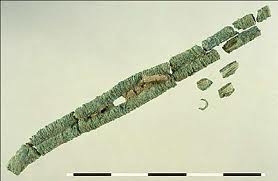 The figure on the left shows a tightly coiled copper wire interspersed with silk from Antherea silk worm. It was a copper necklace found in Harappa.
The most common fibres used in the Indus Valley appear to have been cotton, but various types of wool and possibly jute or hemp fibres were also used. Most recently, the discovery of silk thread inside copper beads from the site of Harappa indicates that wild silk was also known to Harappans in the third millennium BCE.
Harappans used fine drills to core out semiprecious stones and thread either silk or cotton threads to make a necklace. Even Gold threads have been found used for threading through these stone beads.
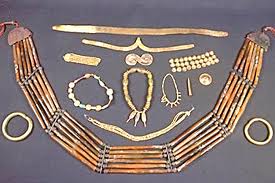
It is now official – fashion is more than 5000 years old. There was a time when Tussar silk was considered the height of fashion in 20th century. To all those fashion pundits, it was already fashion in middle of third millennium BCE!!
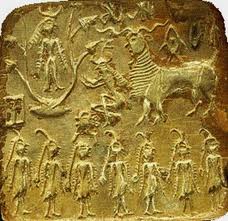
The girls in this fashion show in Harappa must have worn Tussar silk!!


 shankar kashyap
Leave a reply to shankarkashyap Cancel reply