


Earliest known record of Beer drinking was from the land recognised today as Iran. Chemical tests have shown presence of beer in pottery from 5000 BCE. Not much else is known about that beer from Iran.
In Mesopotamia, the oldest evidence of beer is believed to be a 6000 year old Sumerian tablet (picture below) depicting people drinking beer through reed straws from a communal bowl. The beer did not come filtered as it does now and the sediment often weighed down a beer bowl.
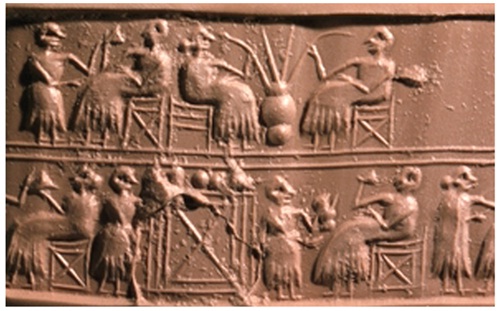
These beers were often thick, more of a gruel than a beverage, and drinking straws were used by the Sumerians to avoid the bitter solids left over from fermentation.
Beer is also mentioned in the Epic of Gilgamesh, in which the ‘wild man’ Enkidu is given beer to drink. “…he ate until he was full, drank seven pitchers of beer, his heart grew light, his face glowed and he sang out with joy.”
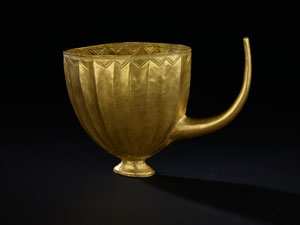
Leonard Woolley dug up the grave of Queen Puabi of the First Dynasty of the city of UR in Sumeria and found a gold beer mug with a built in straw. Beer at that time was considered a drink of the Royalty. The picture below is the gold beer mug of Queen Puabi, now kept in British Museum.
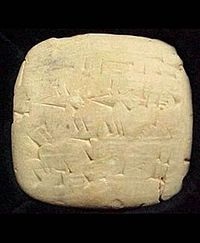 In ancient Sumer, the beer was linked to the gods and there was even a God for Beer. Royalty drank the “best” Alulu beer. The picture on the left is a receipt for the “best” Alulu beer from a brewer to a merchant in city of Umma in Sumeria, 2050 BCE.
A poem written in honour of Ninkasi, God of beer in 2000 BCE gives the oldest known recipe for making a beer. It goes something like this;
“Ninkasi, you are the one
You are the one who holds with both hands the great sweet wort…
Ninkasi, you are the one who pours out the filtered beer of the collector vat, It is the onrush of Tigris and Euphrates”
Elsewhere, in 4000 BCE, the Chinese drank a substance called Kyui which was their beer.
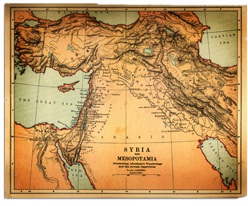 Ebla beer came from Syria dating back to 2500 BCE. Beer was considered the most popular gift to give to Egyptian Pharaohs. Beer was also used during sacrificial rites by the Egyptian Pharaohs. It formed part of the daily diet of the Pharaohs. Ancient Nubians had used beer as an antibiotic medicine.
Beer in Europe appeared around 3000 BCE. Emperor Charlemagne, the ruler of all the Christian Kingdom in 8th century considered beer to be important part of living and instructed Christian brewers. It was brewed in Monasteries and had religious significance.
Beer became vital to all the grain-growing civilizations of antiquity, including Egypt—so much so that James Death put forward a theory in The Beer of the Bible that the manna from heaven that God gave the Israelites was a bread-based, porridge-like beer called wusa.
It was the Romans who rejected the beer as a royal drink and popularised wine.

 shankar kashyap
Leave a reply to howdowefeedtheworldsstarving Cancel reply