


Poetry
-
Limerick Limerick is a five-line witty poem with a distinctive rhythm, funny and often rude. Named after the Irish town of Limerick, the poem allegedly got its name from the town custom of shouting “Will you come up to Limerick?” after a performance of nonsense poetry at social gatherings. However the actual origin of the…
-
This is an extract from my book – Musings of a Romantic where you can learn everything you wanted to know about poetry.
-

The Villanelle The villanelle has humble origins as a rustic Italian song, but over the past few centuries it has developed into a highly structured form of poetry. Villanelle is derived from the Italian word villano, meaning a peasant. Originated as a dance song with pastoral themes. A nineteen-line poem divided into five tercets…
-
A Free Verse Poem as a rule, does not follow any rules of standard poetry forms. It owes its origins to the French Verse libre. A French weekly magazine called La Vogue started a trend during the late 19th century with a group of poets who were termed to create a £”counter romanticism”. Their…
-
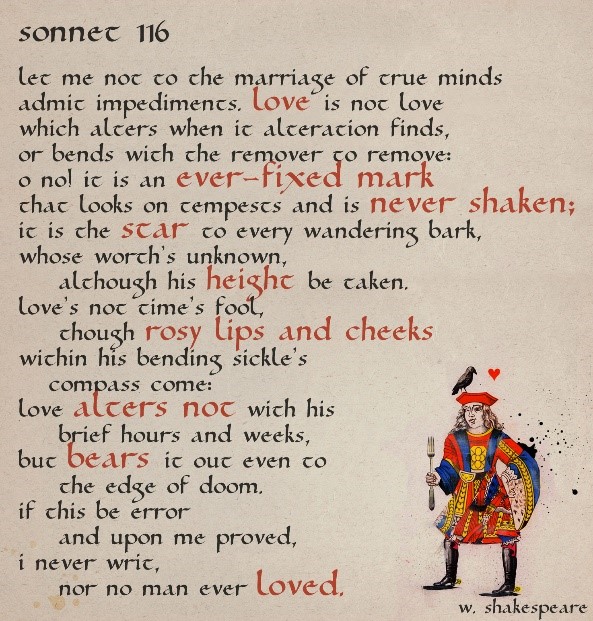
The name “couplet” originates from the French word meaning riveting or joining two pieces of iron together. It originated in late 16th century with Sir P Sydney’s Arcadia. A couplet is a two line verse, which rhymes and forms a unit alone or as part of a poem. However, not all couplets do…
-
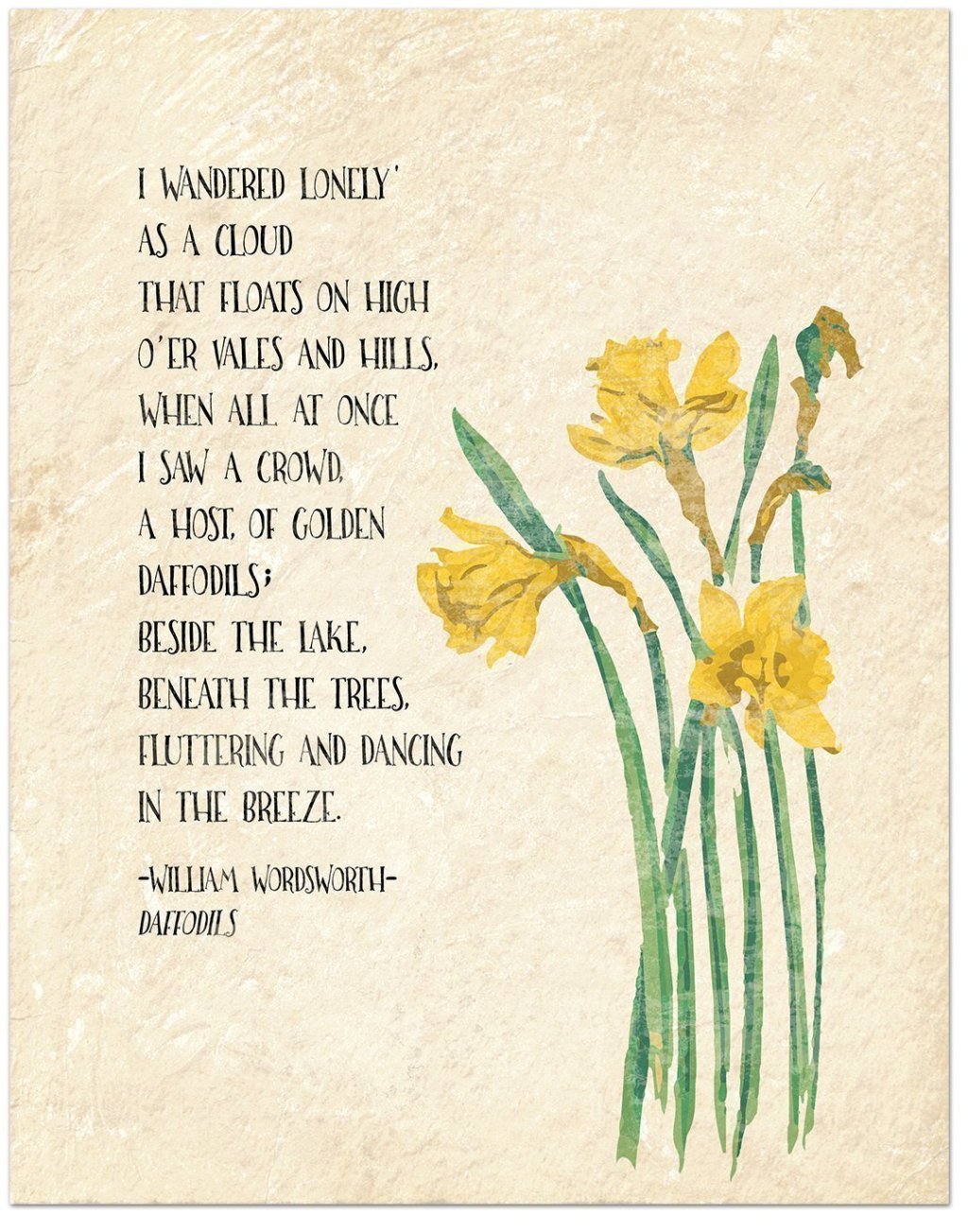
The Lays or its proper form – Lyric – is derived from the ancient musical instrument Lyre, which was probably one of the most often used instrument in any ensemble in ancient Greece. The term probably owes its origins to Aristotle, who classified three types of poetry – lyric, dramatic and epic. It was used…
-
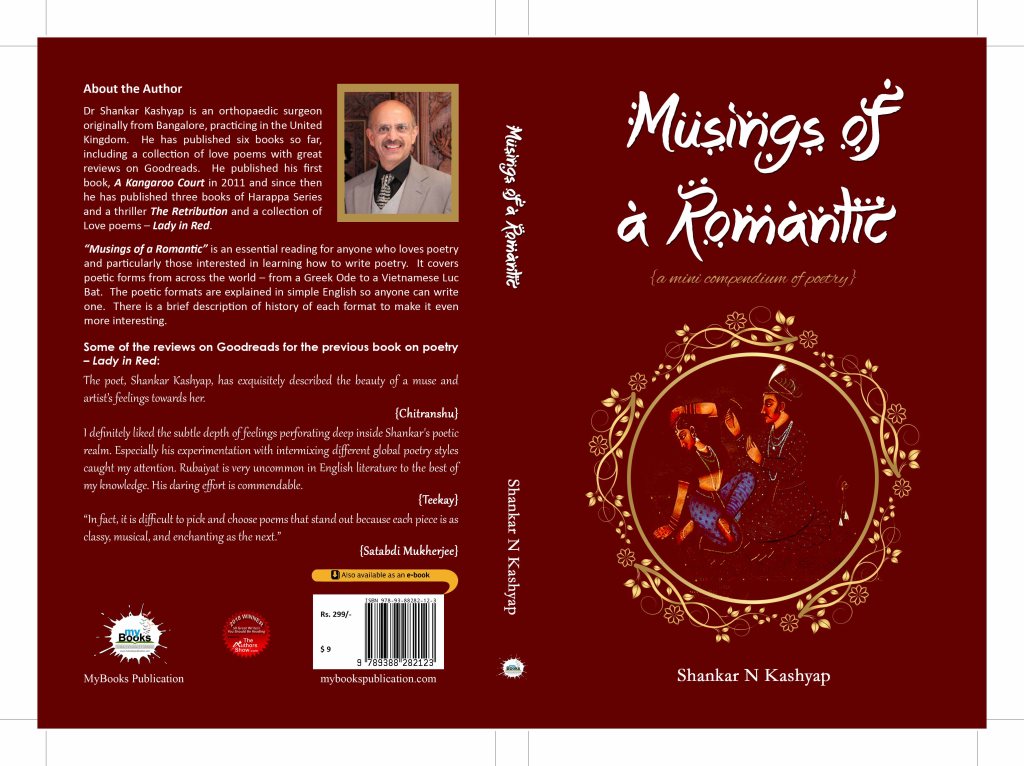
An Idyll is a short poem written describing the idyllic countryside. Originated in Greece by Theocritus, trying to veer away from Homer’s complex ballads and epics and make them accessible to simple rustic folk. The word Idyll comes from the Greek word Eidyllion or little picture. It pictures a rural scene,…
-
Ballad has been there for several centuries (around 13th century) and started off as folk songs, accompanied by musical instruments. Earliest ballads were transmitted orally in song form and mainly dealt with religious and folk lyrics. The ballad’s lyrical rhythm and rhyme owe to the fact that this poetic form is rooted in song telling…
-
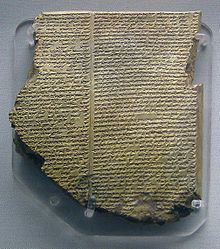
A narrative poem tells the story of an event, a place, city or a kingdom or a hero/heroine, in the form of a poem. There is a strong sense of narration, characters, and always plot. This is pure story telling in poetic format. The content is often dramatic, and the words played on the emotions…
 shankar kashyap