

-
The name “couplet” originates from the French word meaning riveting or joining two pieces of iron together. It originated in late 16th century with Sir P Sydney’s Arcadia. A couplet is a two line verse, which rhymes and forms a unit alone or as part of a poem. However, not all couplets do…
-
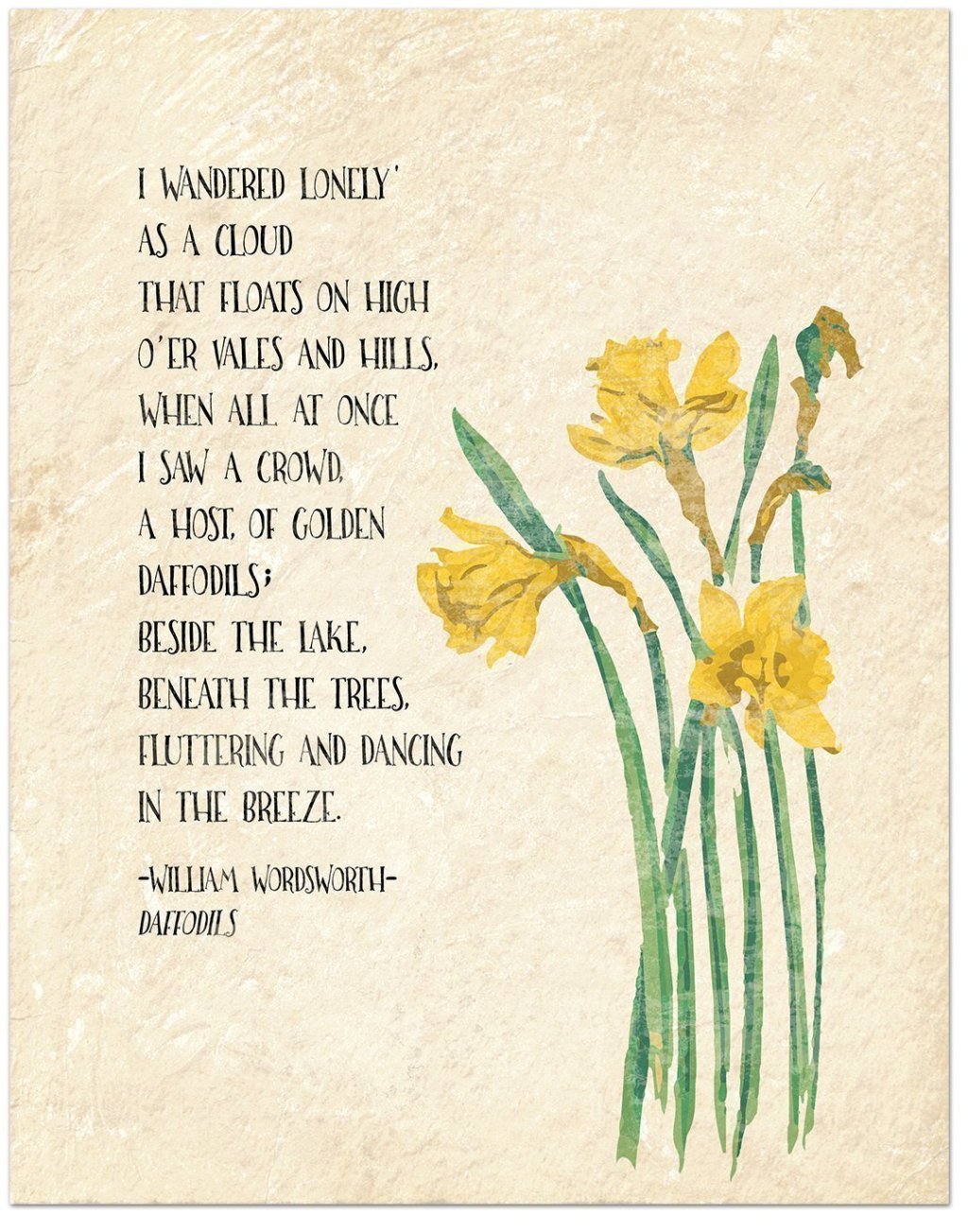
The Lays or its proper form – Lyric – is derived from the ancient musical instrument Lyre, which was probably one of the most often used instrument in any ensemble in ancient Greece. The term probably owes its origins to Aristotle, who classified three types of poetry – lyric, dramatic and epic. It was used…
-
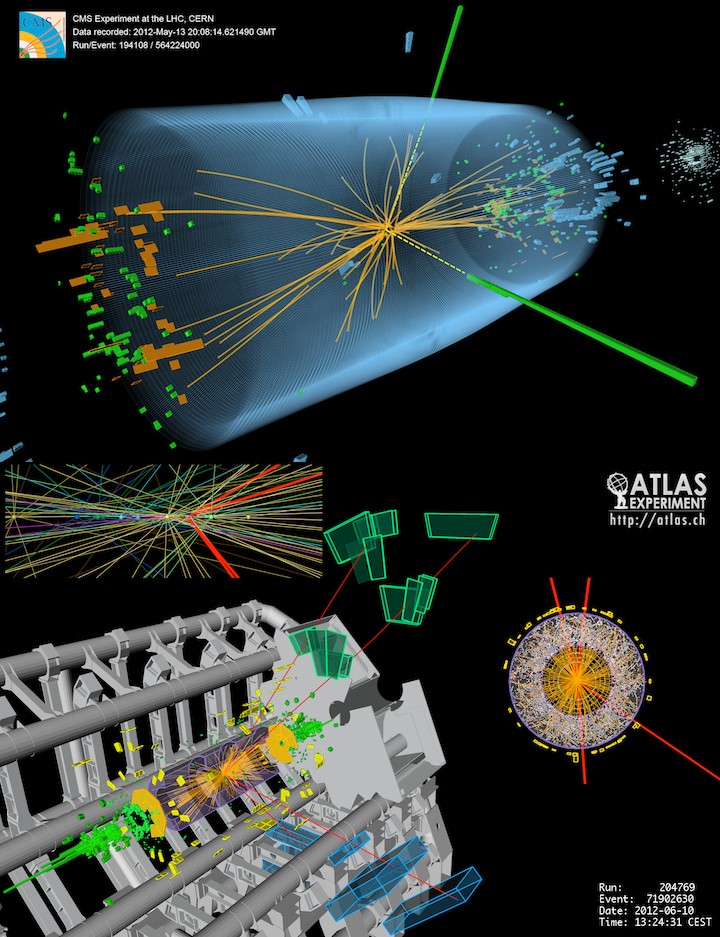
The Vedas and the God Particle Where do we come from and where are we headed? Is there a God or a something super human, which is controlling our destiny? How did it all begin and how is it going to end? These are some of the questions that has plagued man ever since he…
-
An Idyll is a short poem written describing the idyllic countryside. Originated in Greece by Theocritus, trying to veer away from Homer’s complex ballads and epics and make them accessible to simple rustic folk. The word Idyll comes from the Greek word Eidyllion or little picture. It pictures a rural scene,…
-
Ballad has been there for several centuries (around 13th century) and started off as folk songs, accompanied by musical instruments. Earliest ballads were transmitted orally in song form and mainly dealt with religious and folk lyrics. The ballad’s lyrical rhythm and rhyme owe to the fact that this poetic form is rooted in song telling…
-
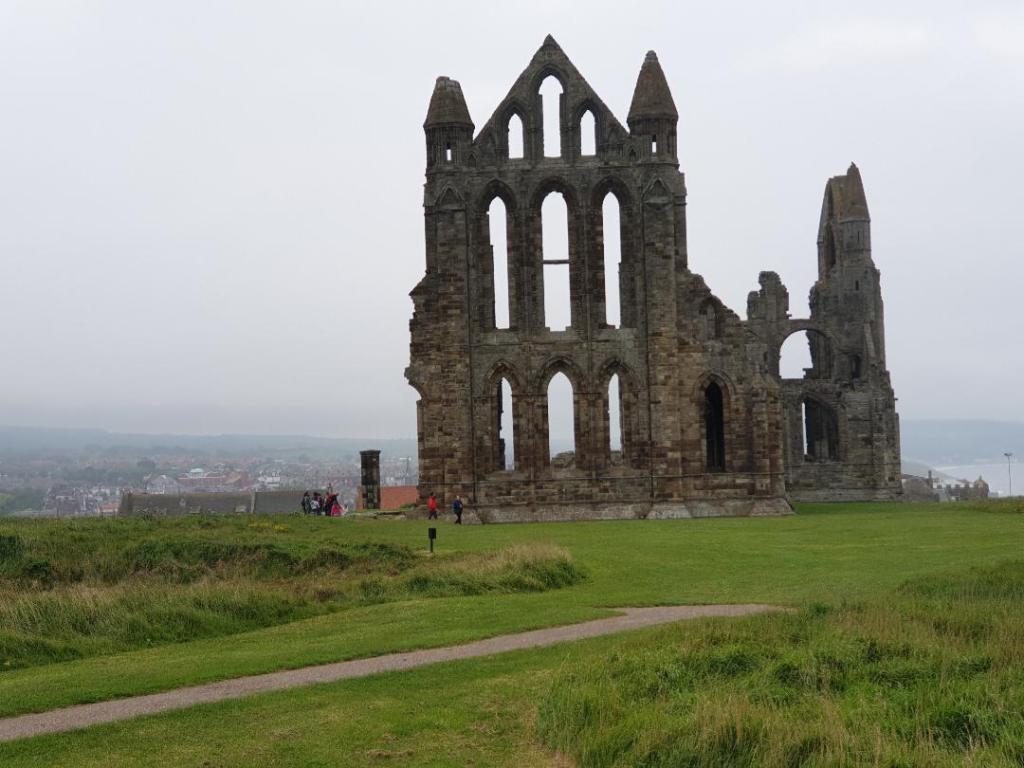
It started off as a gentle stroll over the vast sandy beaches of Marske-by-the-Sea and Redcar. The beaches here are unbelievably huge and clean with hardly any people. The sun was shining and warm, cooled down by a gentle breeze coming off the sea. The noise of an odd car passing on the marine drive…
-
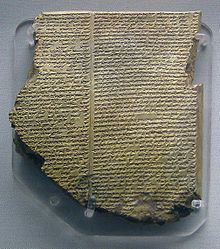
A narrative poem tells the story of an event, a place, city or a kingdom or a hero/heroine, in the form of a poem. There is a strong sense of narration, characters, and always plot. This is pure story telling in poetic format. The content is often dramatic, and the words played on the emotions…
-
This week’s poem is a Haiku. This ancient form of poetry writing from 17th century Japan is renowned for its small size as well as the precise punctuation and syllables needed on its three lines. Originally, Haiku’s were the opening stanza of a style of a longer format poem called the Renga, or linked…
-
The original sonnet form was invented in the 13th century by Dante and took the name of an Italian philosopher named Francisco Petrarch. The sonnet, from the Italian sonetto meaning “little song,” is one of the better-known forms of poetry. Made famous by Italian poets, the traditional sonnet contains fourteen lines divided into two stanzas…
From the echoes of the past, the stories that shape us rise — waiting to be heard, remembered, and imagined.”
About:
About Shankar Kashyap
About
Discover a world of possibilities

Paintings, Books and poetry


Shankar Kashyap is a historian, author, and visual artist based in the United Kingdom. A retired orthopaedic surgeon, he has published widely — from historical fiction inspired by the Harappan civilization and Rigvedic traditions, to poetry collections and true-crime narratives. His work blends rigorous research with narrative depth, offering readers both insight and immersive storytelling. Beyond the written word, Shankar is also a painter, with a body of oil and watercolour works exhibited locally in the UK and online in India. Through both his writing and painting, he explores history, culture, and the human experience, inviting audiences to see the world through a lens of curiosity, reflection, and artistry.
 shankar kashyap